

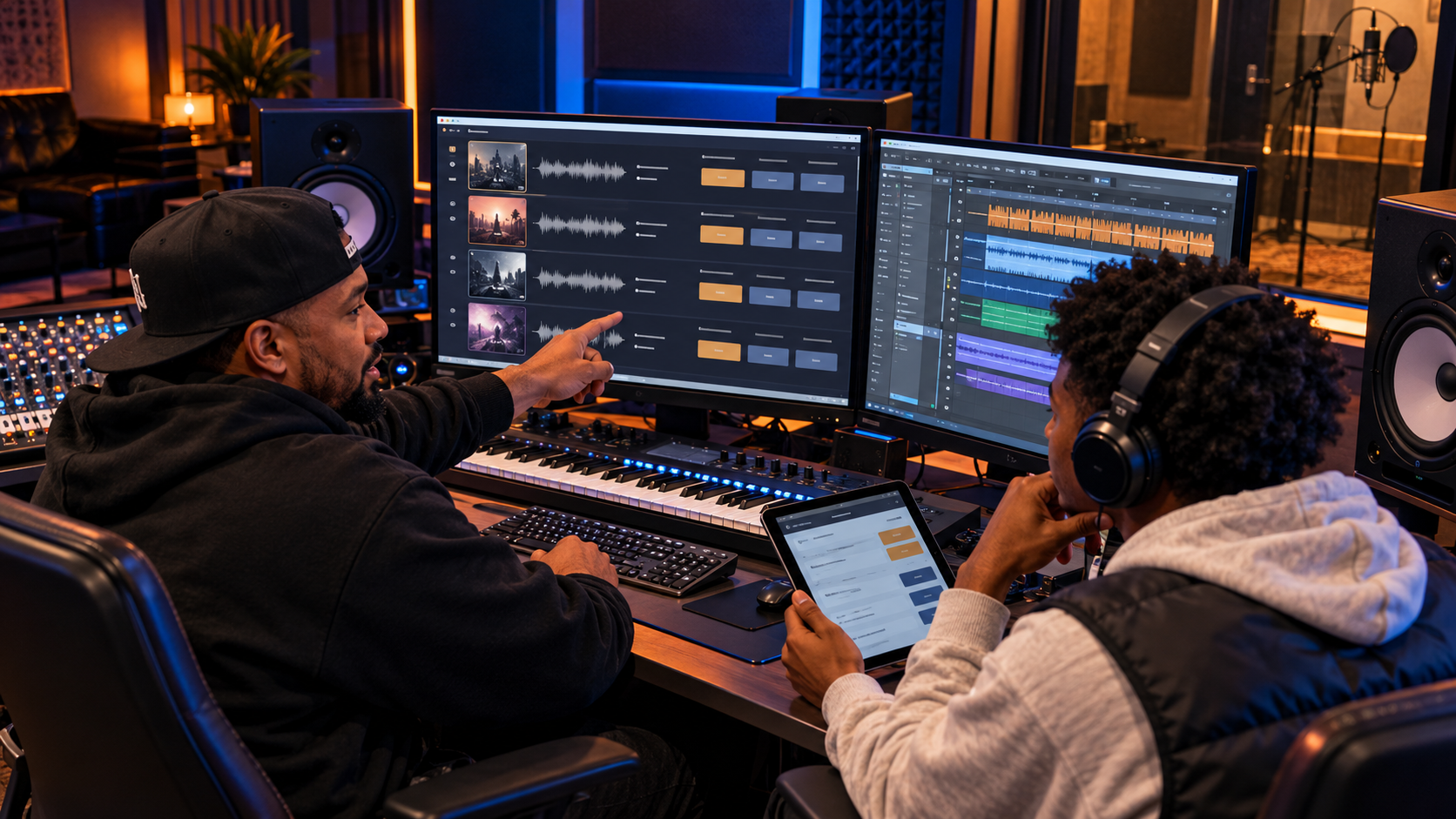
Beat licensing is a critical aspect of the music industry, allowing producers to monetize their work while protecting their intellectual property. This lesson covers the fundamentals of beat licensing, the different types of licenses available, and how to craft effective licensing agreements.
1. What Is Beat Licensing?
Definition and Importance of Beat Licensing in the Music Industry
Beat licensing refers to the legal process of granting permission to artists, labels, or other entities to use a producer's beat in their music or other projects. By licensing beats, producers can generate income while retaining ownership of their creations, depending on the terms of the agreement.
Monetization: Licensing allows producers to earn money from their beats without necessarily giving up ownership. This can become a recurring revenue stream, especially for producers who create high-demand beats.
Intellectual Property Protection: Licensing helps protect your intellectual property by establishing legally enforceable terms for how your work may be used. By defining those terms, you can control how, where, and by whom your beats are used.
Flexibility: Different types of licenses offer flexibility, enabling producers to work with a variety of clients, from independent artists to major labels.
For example, an independent rapper may purchase a non-exclusive license to record and release a song using your instrumental. Another artist might later purchase a separate non-exclusive license for the same beat.
Alternatively, an established recording artist or label may request an exclusive license that prevents you from granting additional licenses to other buyers.
Understanding these arrangements helps you choose the right licensing structure for your music business.
It's also important to recognize that a beat can involve two separate copyrights: the underlying musical composition and the sound recording, commonly called the master.
A licensing agreement should clarify which rights are being granted and whether the producer retains ownership of the composition, the instrumental recording, or both.
2. Types of Beat Licenses
Exclusive Licenses: What They Are, Benefits, and Considerations
An exclusive license grants the buyer exclusive rights to use the beat within the scope defined by the agreement. This generally means the producer cannot grant additional licenses for the same covered uses while the exclusive agreement remains in effect.
However, an exclusive license does not automatically transfer copyright ownership to the buyer. Ownership transfers must be addressed separately in the agreement.
Benefits: Exclusive licenses often come with higher upfront fees, as the buyer gains exclusive licensing rights to the beat. This can be lucrative for producers, especially if the buyer is a well-known artist or label.
Considerations: While exclusive licenses offer immediate financial benefits, they can limit the producer's ability to continue earning from that beat through additional licenses. Producers should carefully consider the value of their beat and the potential for future earnings before granting exclusivity.
Before offering an exclusive license, consider whether the beat has already been licensed non-exclusively to other artists.
Existing licenses may remain valid according to their original terms, even after a new exclusive agreement is signed. Producers should clearly disclose any existing licensing obligations and specify how they will be handled.
Non-Exclusive Licenses: How They Work and Why They're Popular with Producers
Non-exclusive licenses allow producers to license the same beat to multiple buyers, each receiving the rights specified in their individual agreements.
Benefits: Non-exclusive licenses provide an opportunity for recurring revenue, as producers can license the same beat multiple times. They are popular with independent artists and producers because they are typically more affordable and accessible.
Considerations: Since the beat can be licensed to multiple buyers, it's essential to clearly define the terms of use, including distribution limits, permitted uses, and the duration of the license.
Non-exclusive licensing can be especially useful for independent producers who want to build a large catalog and generate income from multiple customers.
For example, you might offer a basic license for artists releasing music on a limited budget, alongside higher-priced licenses that permit broader distribution or additional commercial uses.
These licensing tiers allow you to serve different types of customers without necessarily giving up the ability to license your beat again.
Custom Licenses: Tailoring Licenses to Specific Client Needs
Custom licenses are tailored agreements that can be adjusted to meet the specific needs of a client or project.
Flexibility: Custom licenses offer flexibility in terms of usage, pricing, and duration. This can be beneficial for both the producer and the client, allowing for a mutually beneficial agreement.
Considerations: Crafting a custom license requires careful negotiation and clarity to ensure that both parties fully understand the terms. Producers should work with legal professionals to create or review these agreements when necessary.
Custom licenses may be appropriate when an artist, record label, advertising agency, or media production company needs rights that aren't included in your standard licensing packages.
For example, a client might request permission to use your instrumental in a commercial, modify its arrangement, distribute it in a particular territory, or use it for a specific period.
Rather than granting unrestricted rights, you can negotiate terms that meet the client's needs while preserving ownership and other licensing opportunities.

3. Crafting Licensing Agreements
Key Terms and Clauses to Include in Your Licensing Agreements
Licensing agreements should be comprehensive and clear to protect both the producer and the buyer.
Key terms and clauses to include are:
Grant of Rights: Clearly state what rights are being granted to the buyer, whether exclusive or non-exclusive. Define the scope of use, including how and where the beat can be used.
Term and Territory: Specify the duration of the license and the geographical areas where the beat can be used.
Payment Terms: Outline the payment structure, including any upfront fees, royalties, or splits. Clarify how and when payments will be made.
Credits: Include a clause that requires the buyer to credit the producer appropriately on all applicable platforms where the beat is used.
Limitations of Use: Define any restrictions on how the beat can be used, such as limitations on alterations, reselling, or redistribution.
Termination Clause: Provide conditions under which the agreement can be terminated by either party.
In addition to these terms, consider addressing how the parties will handle songwriting credits, publishing ownership, sample clearances, and registration of the resulting song.
For example, when a rapper writes original lyrics over a producer's instrumental, both parties may have songwriting interests in the resulting composition. The agreement should clarify any agreed ownership splits and royalty arrangements.
Producers should also consider how their licenses address digital distribution, monetization, and automated copyright enforcement systems such as YouTube Content ID.
Because non-exclusive licenses allow multiple artists to use the same instrumental, unclear Content ID policies can create disputes or incorrect copyright claims against legitimate license holders.
Establishing these rules in advance can help prevent misunderstandings after a song is released.
Protecting Your Rights While Offering Flexibility to Clients
While it's important to protect your intellectual property, offering flexibility in your agreements can make your beats more attractive to potential buyers:
Customizable Terms: Consider offering different levels of licensing agreements to cater to a range of clients, from independent artists to established labels.
Legal Protections: Always include clauses that protect your rights as a producer, such as ensuring proper credit and restricting unauthorized use.
Clear Communication: Ensure that all terms are clearly communicated and understood by both parties before finalizing the agreement.
One effective approach is to develop a standard set of licensing packages with clearly defined permissions and limitations.
For example, you might offer a basic non-exclusive license for smaller independent releases, an expanded license for broader commercial use, and a separately negotiated exclusive license for clients who need additional rights.
This allows artists to choose an agreement that fits their needs while helping you maintain consistent business practices.
Whatever licensing structure you choose, avoid relying on vague descriptions or verbal promises. Written agreements help establish expectations and provide documentation if a disagreement occurs later.
Sample Contracts and Where to Find Legal Templates
Using sample contracts or legal templates can help streamline the process of creating licensing agreements:
Online Resources: Websites like Rocket Lawyer and LegalZoom offer general legal document resources that may be useful when researching contract provisions. Archived or community-shared templates, including those previously available through services such as Docracy, may also provide examples, although availability and legal suitability should be verified.
Legal Professionals: For more complex agreements, consider consulting with a legal professional who specializes in music law to draft or review your contracts.
Industry Examples: Look at examples of licensing agreements used by other producers or in the industry to understand common practices and standards.
When reviewing a sample agreement, pay close attention to whether it addresses the specific rights involved in licensing instrumental music.
A general licensing template may not adequately cover music publishing splits, master recording ownership, exclusive licensing restrictions, or the rights associated with an artist's new recording.
For significant transactions, especially exclusive licenses or agreements involving established labels, having a qualified entertainment attorney review the terms can help protect your long-term interests.
Final Thoughts
By understanding beat licensing and crafting clear, effective licensing agreements, producers can monetize their work, protect their rights, and build a successful career in the music industry.
For independent producers, beat licensing offers an opportunity to turn your music catalog into a revenue-generating business without necessarily giving up ownership of your original productions.
However, the success of your licensing business depends on more than producing high-quality instrumentals. You also need to understand the differences between exclusive, non-exclusive, and custom licenses, establish fair pricing, and clearly communicate what each buyer is permitted to do with your music.
A well-structured licensing agreement helps protect both you and your customers by defining ownership, permitted uses, compensation, and responsibilities before a song is released.
As your catalog grows, maintaining consistent licensing terms and accurate records can make it easier to manage multiple customers, track your agreements, and pursue larger opportunities.
By treating beat licensing as an important part of your music business, you can create new sources of income while protecting the creative work and intellectual property you've invested time and effort into developing.
Continue Learning
Next Lesson: Setting Up and Managing Your Publishing Rights